Focus and Execution – What Truly Separates A+ Students from the Rest in High School
I used to believe that the gap between high-achieving students and struggling ones was purely a matter of intelligence. It wasn't until I navigated my own child's three years of high school that I had a profound realization: what truly creates the divide is never about who's smarter, but rather who is more focused and who possesses stronger execution skills. The top-performing students might not boast extraordinary IQs, but they invariably share a common trait: they meticulously complete every step of their planned tasks, and once seated at their desks, they can immediately channel their attention, undisturbed by any minor distractions.
The Pain Point: From "Pretending to Study" to Genuine Efficiency
In freshman year, my child was also keen to "out-compete" everyone. Her study plans were packed: finish two sets of practice papers, memorize 50 vocabulary words, listen to two online lectures today… Yet, by eleven at night, only half the tasks were done, inevitably followed by complaints about difficult questions or overwhelming homework. Back then, I attributed it to her ability. Later, I understood that her missing ingredient wasn't intellect, but the sheer grit to execute a plan to its very end.
The A+ Student's Trait: Strong Self-Management as the Core Competency
In contrast, what impressed me most about the handful of students consistently ranking in the top ten was not merely their effort, but their incredibly strong self-management. If their schedule said to start something at a certain time, they started precisely then. When doing homework, they wouldn't scroll through their phones or zone out; once the allocated time arrived, they immediately entered their study flow. It's not that they were immune to fatigue or annoyance, but they understood: only through thorough execution could their efforts truly be worthwhile.
Practical Strategies: Cultivating Focus and Execution Skills in Your Child
1. The "Task List" Method: Breaking Down Big Goals into Actionable Steps
Starting in sophomore year, my child adjusted her approach. Before each study session, she stopped writing vague goals like "review math." Instead, she'd create a precise "task list": for example, "solve 8 function multiple-choice questions + organize 3 incorrect problems"; "preview chemistry" became "watch video lecture 3 on experimental questions + memorize three common conclusions." This clear, actionable planning prevented her from constantly thinking, "What should I do next?" while studying, allowing her to complete tasks step-by-step.
2. The Pomodoro Technique: Training Focus and Boosting Study Efficiency
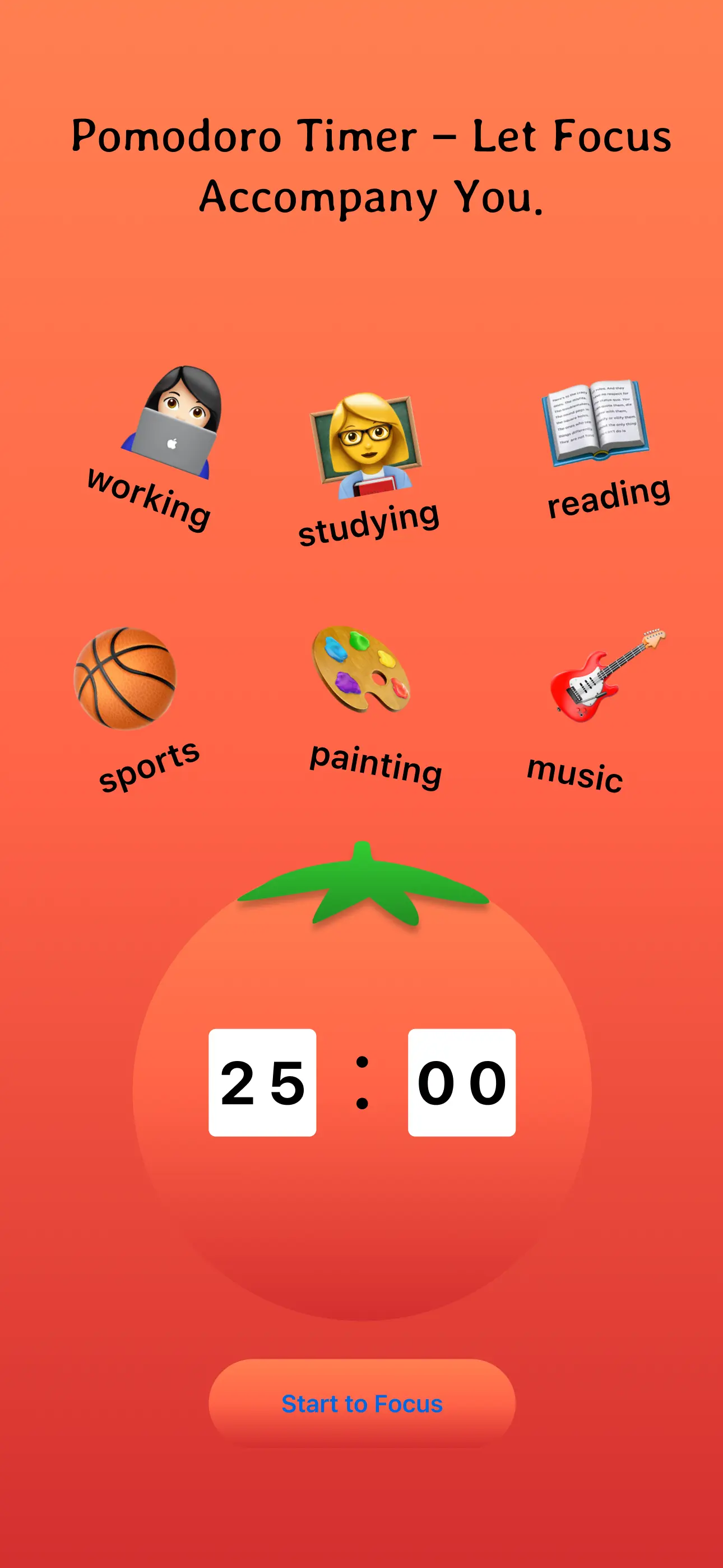 Another crucial aspect was training her focus. We later adopted the "Pomodoro Technique":25 minutes of focused study, followed by a 5-minute break. During these 5 minutes, there was no phone usage, no chatting, no aimless wandering – just pure relaxation. While it was challenging to stick to initially, she later admitted, "Once I truly get into the zone, even half an hour is far more effective than an hour used to be."
Conclusion: From "Wanting to Try Hard" to "Actually Doing It"
A+ students aren't high achievers because they study the most, but because they maximize every single minute. Students who struggle aren't necessarily unintelligent; they simply hover between "wanting to study" and "actually internalizing the material."
Ultimately, it's not that a child can't excel. The difference lies in whether they've seriously implemented a study plan, whether they've cultivated focus into a habit, and whether they've truly acted upon every declaration of "I need to work harder."
Once a child starts to focus and develops strong execution skills, they will witness the change themselves. True growth isn't measured by a few points gained in one or two tests, but by consistently fulfilling their commitments to themselves every single day. From that moment on, they are no longer "the child who always wanted to try hard but never quite managed it."